
- 傑出作品獎-優質獎
- 王喆
-

- 個人簡介
- / Introduction
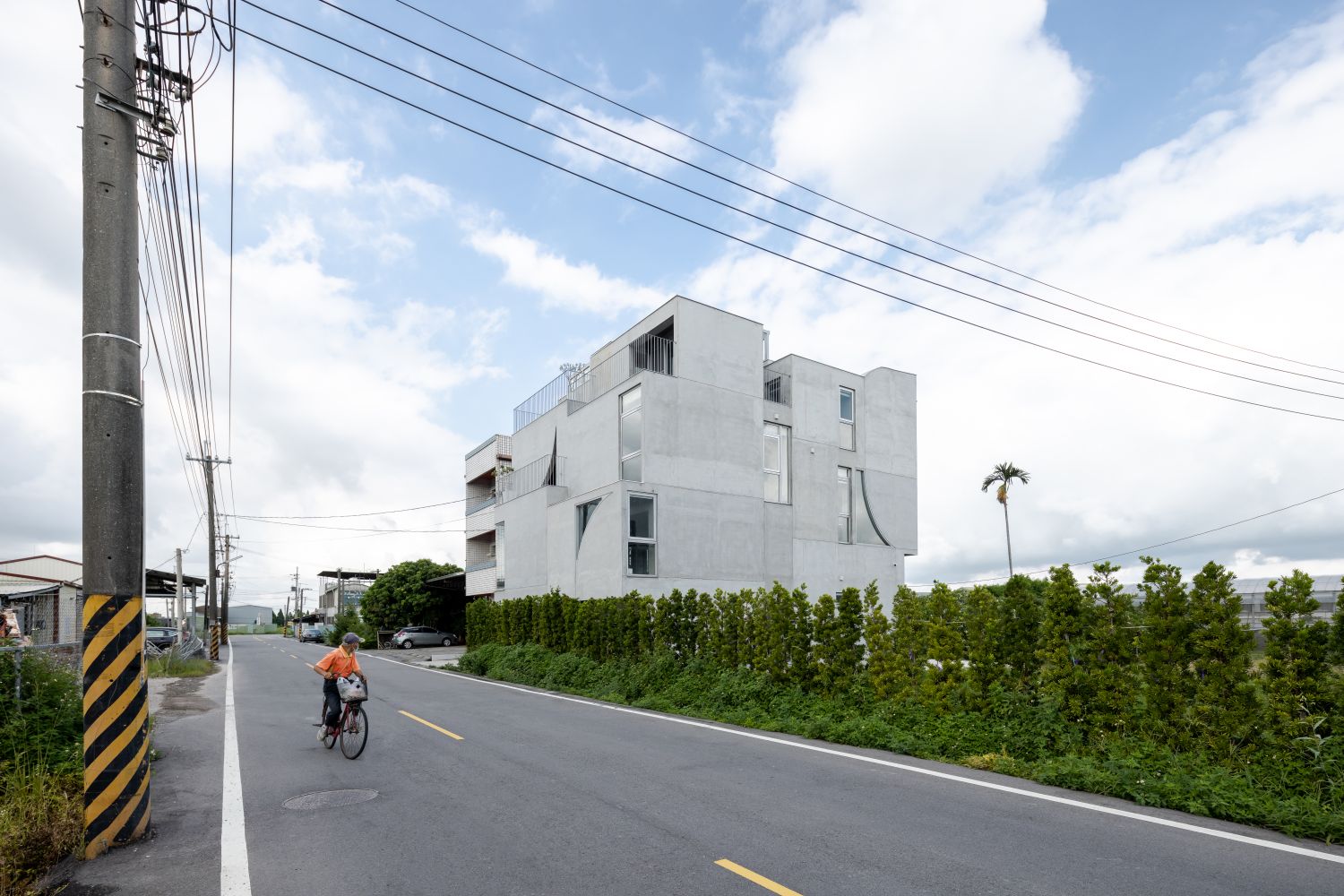


田田傢
業主是有著傢俱製作專長的一對年輕夫妻,計畫返鄉與務農的父母共築三代同堂的家。
基地位於台灣台中市近郊的農地,因相關法規條件規定,其可建築的面積約僅有一般農舍面積的一半。周遭環境 除了四季變化的稻田、花田所構成的美麗風景之外,便是台灣中部農村很典型的農村工廠,呈現一種農業與工業混雜的狀態。如何在這些面積限制和混雜環境的條件下,設計出一個具有新意的三代同堂住宅,則是我們的重要課題,其相應之策略如下:
1.田中的田字平面
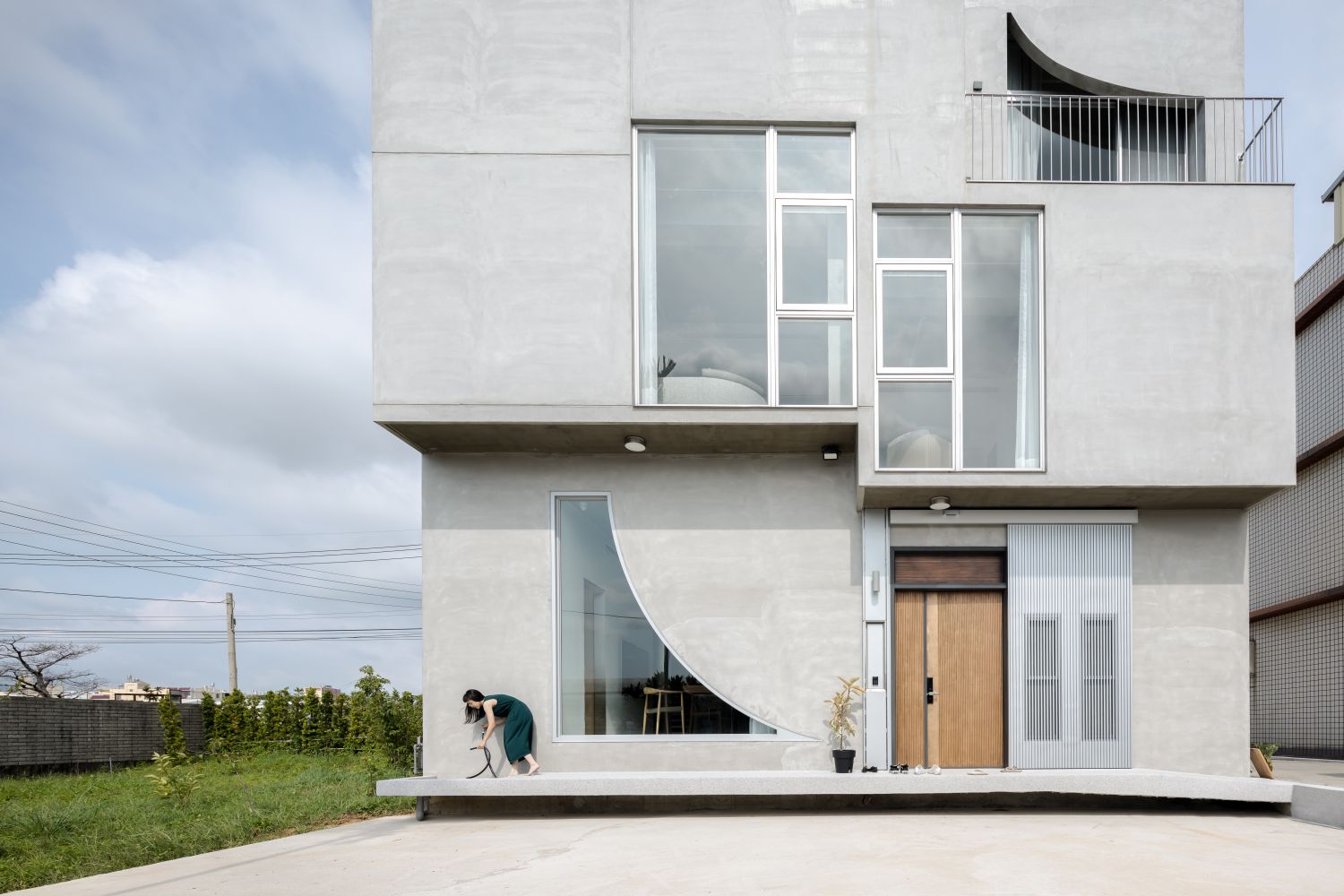
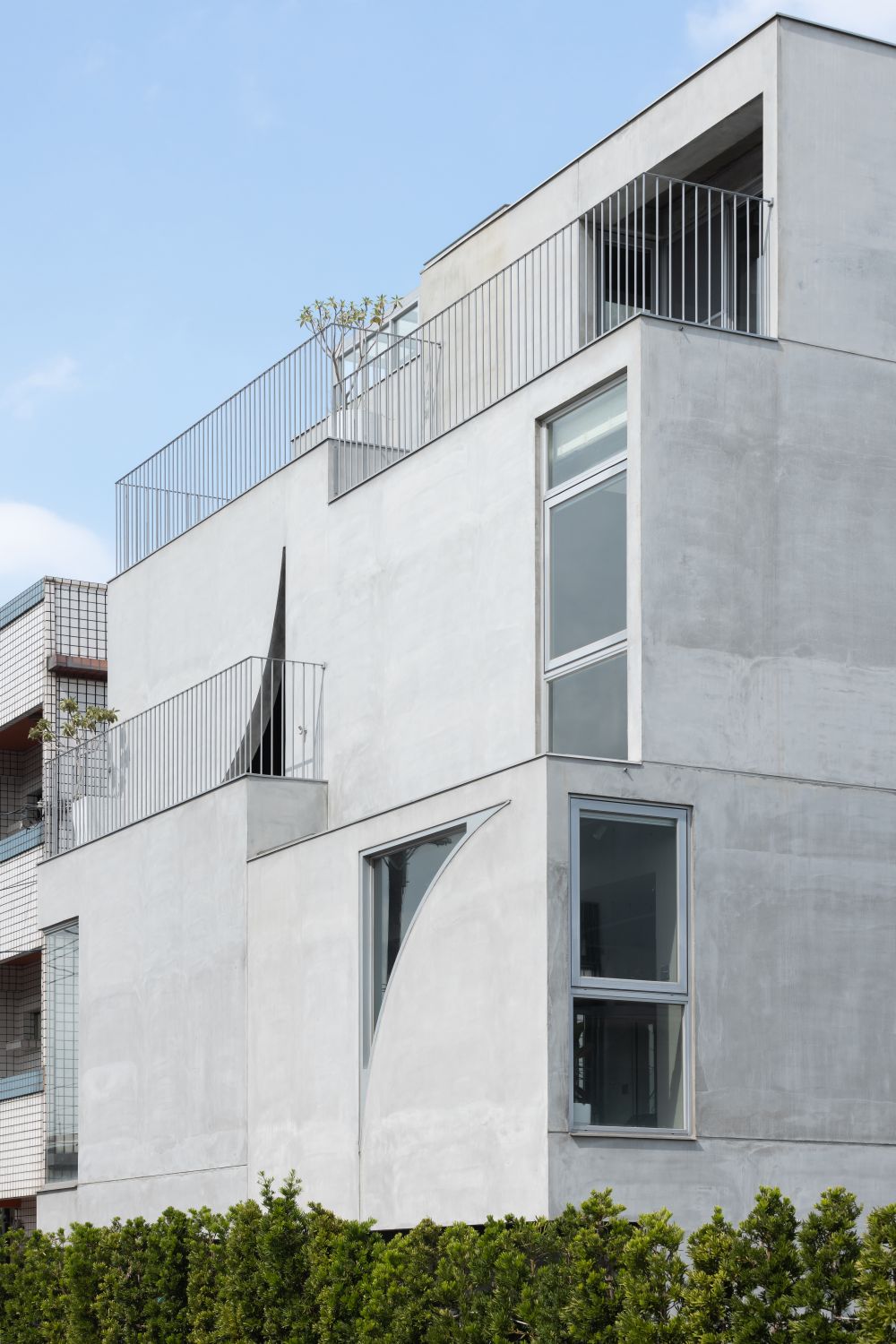
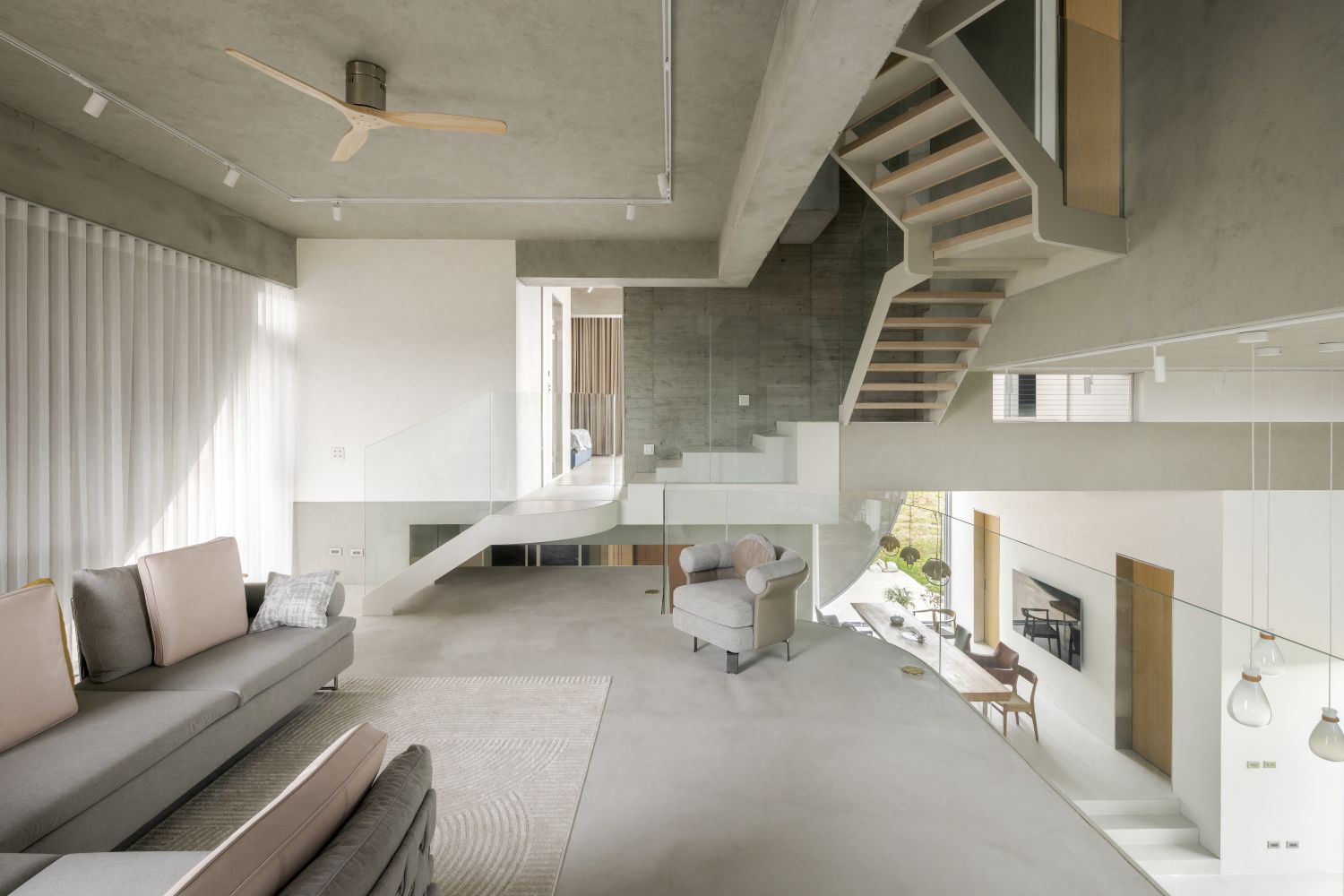
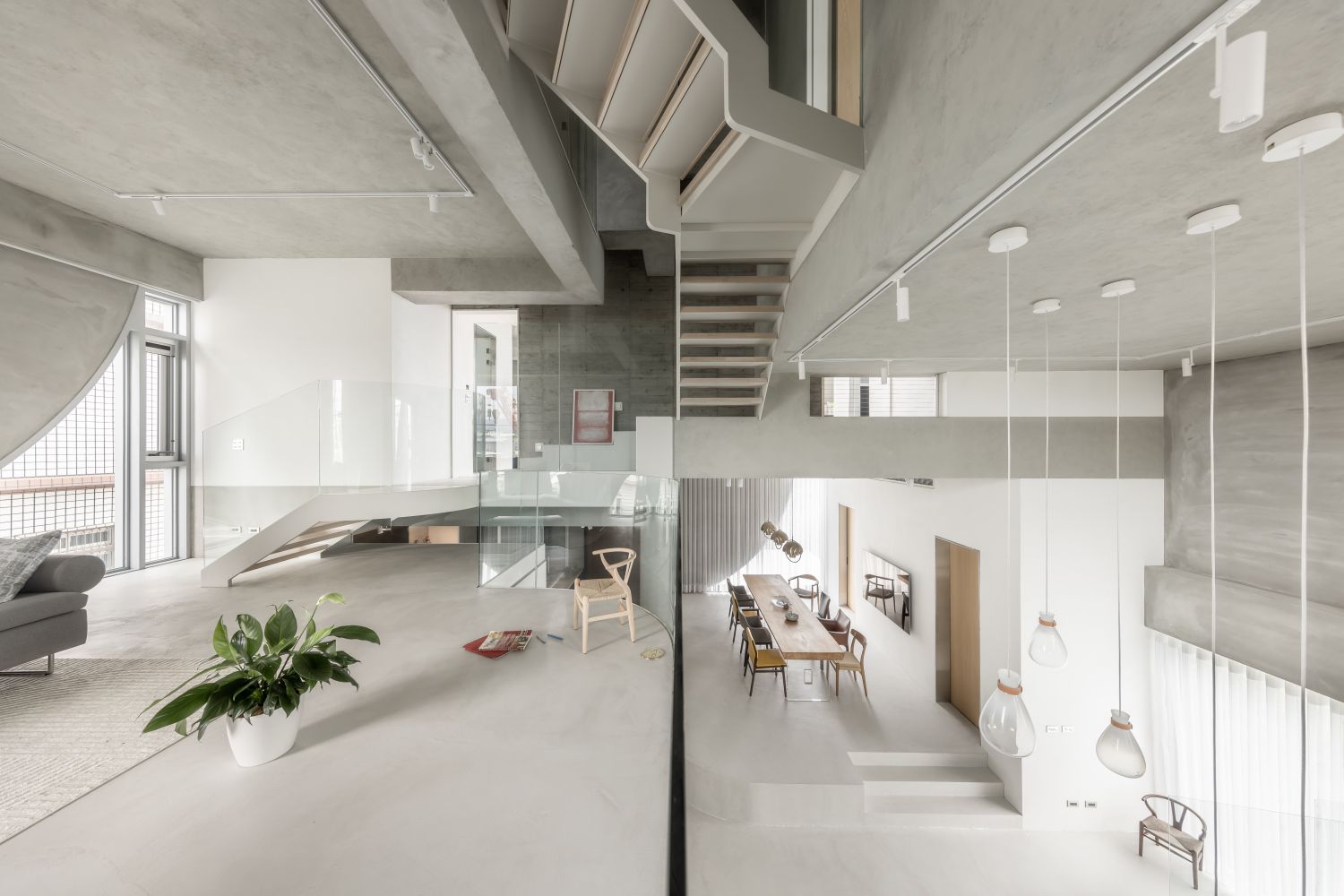
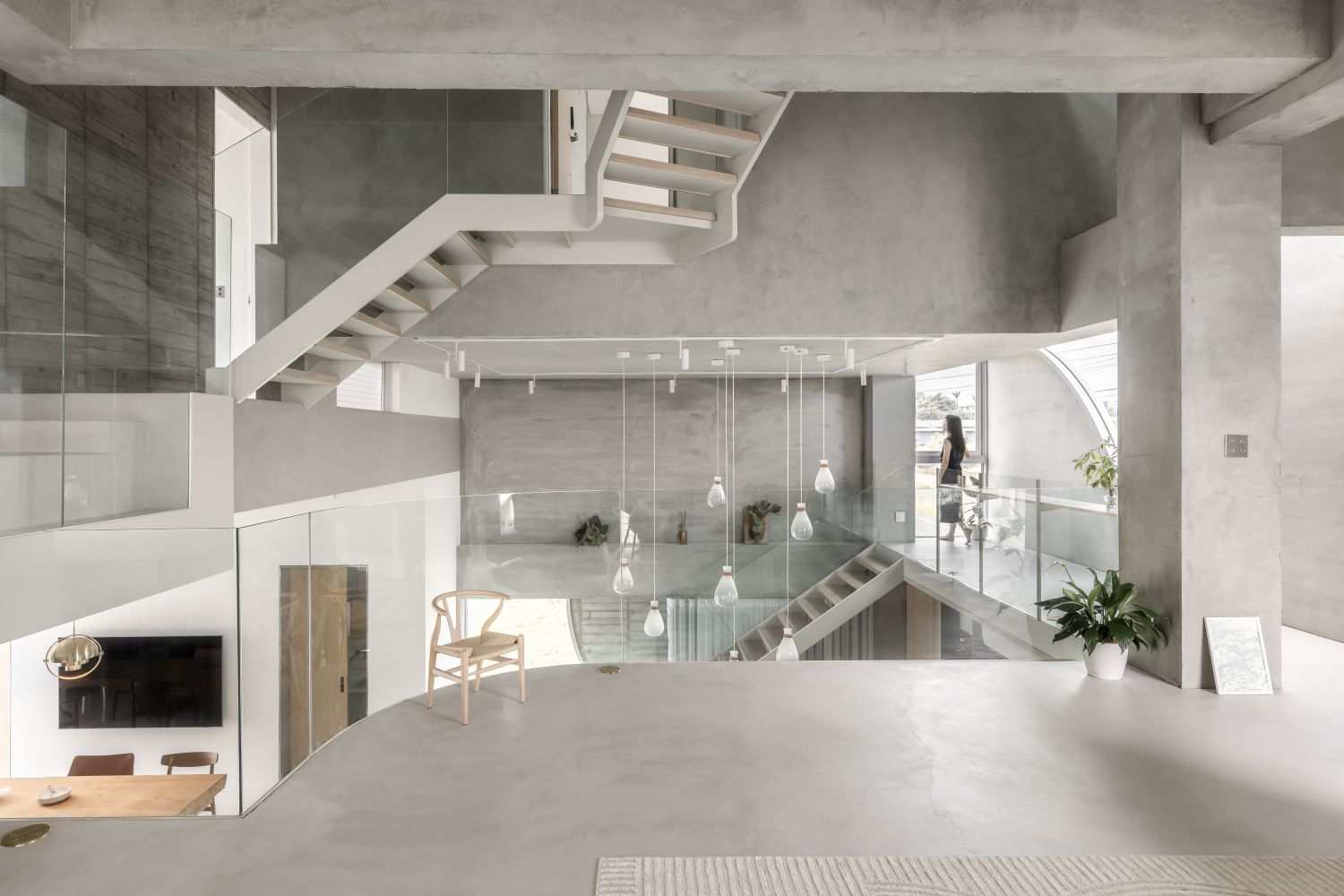
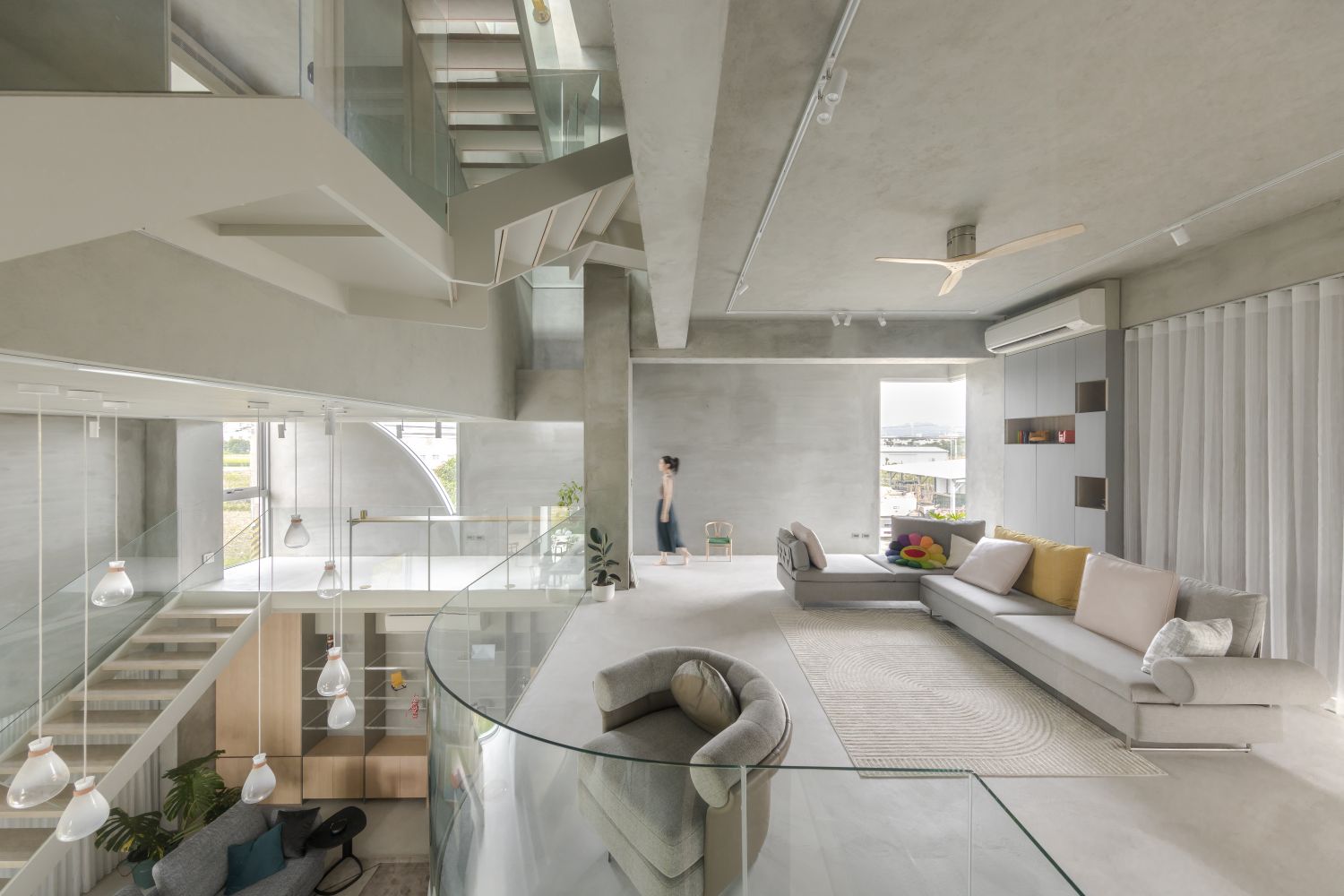
我們提出的策略是以「田字型」平面構成,將四個高程不一的小房子合而為一,創造出一棟三個樓層卻有著十三個樓板高程的建築。 樓板之間的縫隙引發了空間的流動性,讓人有著小而大的空間感知,並在有限的平面中創造具剖面深度的視覺延伸感,建立出三代親人之間,那種緊密又獨立的空間關係。
2.上下及框景開口
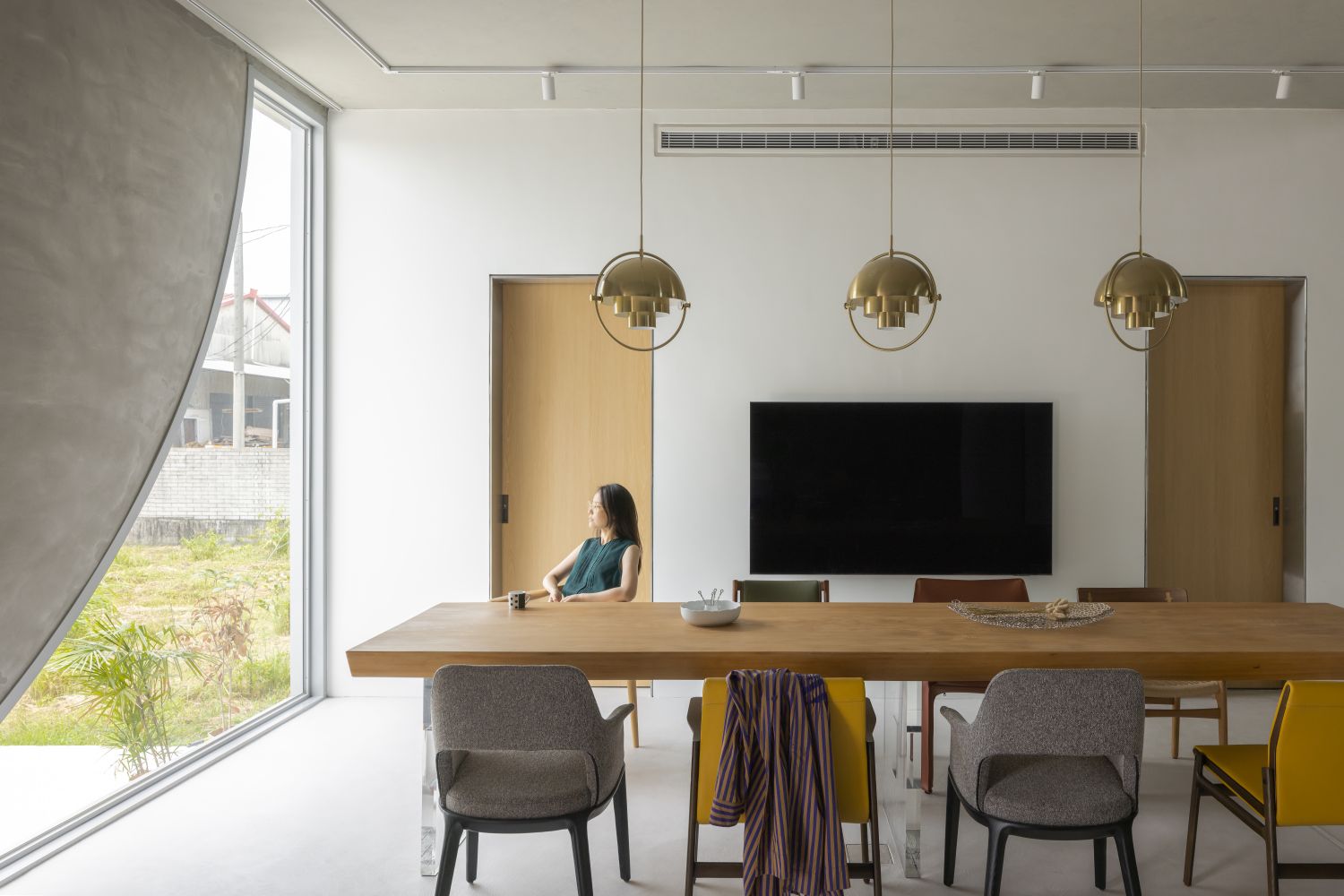
我們由內而外地思考開口形式,向上引導的開口讓人可望向天空同時保有住家的私密性,向下引導的開口則讓視線由樓板延伸至農田同時阻隔西曬的陽光;其他開口則以局部框景的方式來過濾外部混雜的環境元素,臨路側也兼作業主對外的傢俱展示櫥窗。
3.天光下擺動的樓梯
不同時刻的天光,透過挑空中的樓梯灑落在每一個高程,用光串連起住家中的生活空間,也同時引導出行進時的多方向視線風景。
我們期待在這案子,以流動性的居住空間形態,形塑出一種簡單而豐富的日常生活。
The client is a young couple who have a specialty in furniture making and they plan to return to their homeland to build a home with their farmer parents. The site is located in a far land in the suburban area of Taichung city. According to the laws and regulations, the building coverage ratio of the site only allowed it to build about half of the regular ratio of farmhouses. The site is surrounded by typical rural middle Taiwan factories. It is a blend of both agricultural and industrial industry.
How to build a creative house for the three generations with the limited site area and chaotic environmental conditions is the most significant challenge. As a result, we developed such strategies in response to the challenges.
The gridded plan in the gridded farmlands
We proposed the strategy of forming the plan by a 2x2 grid and combining four houses with different hierarchies so that it creates a three floor building with 13 floor plates in different heights. The voids between different floor plates trigger the dynamic of the space.
Building the tight but also uninterrupted spatial conditions between the three generations.
The openings from up and down and enframed scenery The openings leading upward allow people to look up to the sky and secure the privacy of the house. The openings leading downward extend our horizons to the farmlands and block the
sunlight from the west at the same time. The other openings, enframed scenery, filter the chaotic environmental elements, while the one next to the road also serves as a showcase of the furniture designed by the clients.
The swaying staircase under the skylight
The skylight of different times cascaded through the staircase in the atrium. The light not only connected the different living spaces but also led our eyesight to multiple scenery when we were passing through.
We expect to create a simple but rich daily life with the dynamic living spaces in this project.
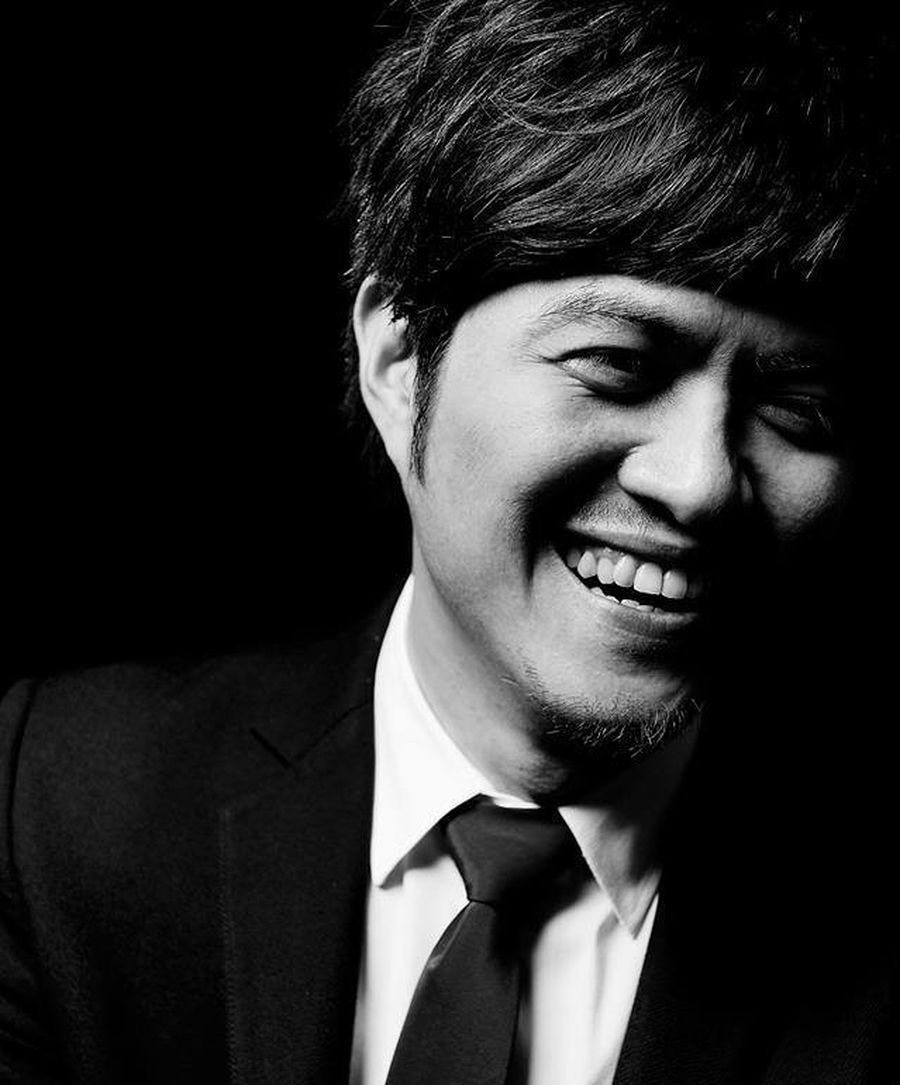
王喆,畢業於中興大學土木系及東海大學建築研究所。 先後曾任職於日本小嶋一浩與赤松佳珠子之Coelacanth and Associates,Tokyo (CAt)、建築作坊CitiCrafts,及大矩聯合建築師事務所,與伊東豊雄建築設計事務所合作擔任臺中國家歌劇院專案設計經理。
現為十分建築主持建築師,以之間、白色、氛圍及虛實等設計關鍵字為起始,在建築、室內和藝術等尺度的中,挑戰空間形態、美學及氛圍的創新。其設計類型有獨棟住宅、集合住宅、旅館民宿、企業總部、商空設計和裝置藝術等等,並曾獲得台中建築獎傑出作品獎優質建築獎、ADA新銳建築獎入圍、TID台灣室內設計大獎金獎、TINTA金邸獎、金點設計獎、日本 Good Design Award、韓國 K-Design Award 特獎、WAF INSIDE世界室內大獎優勝、Dezeen Award 決選及德國iF設計獎等殊榮。


 Facebook
 建築師查詢
建築師查詢 會員專區
會員專區 專業驗屋
專業驗屋